
Hypertension
Understanding Blood Pressure
Blood pressure is crucial for survival, as it carries vital energy to the cells. Low blood pressure can lead to serious malfunctions in the body.
High Blood Pressure & Hypertension
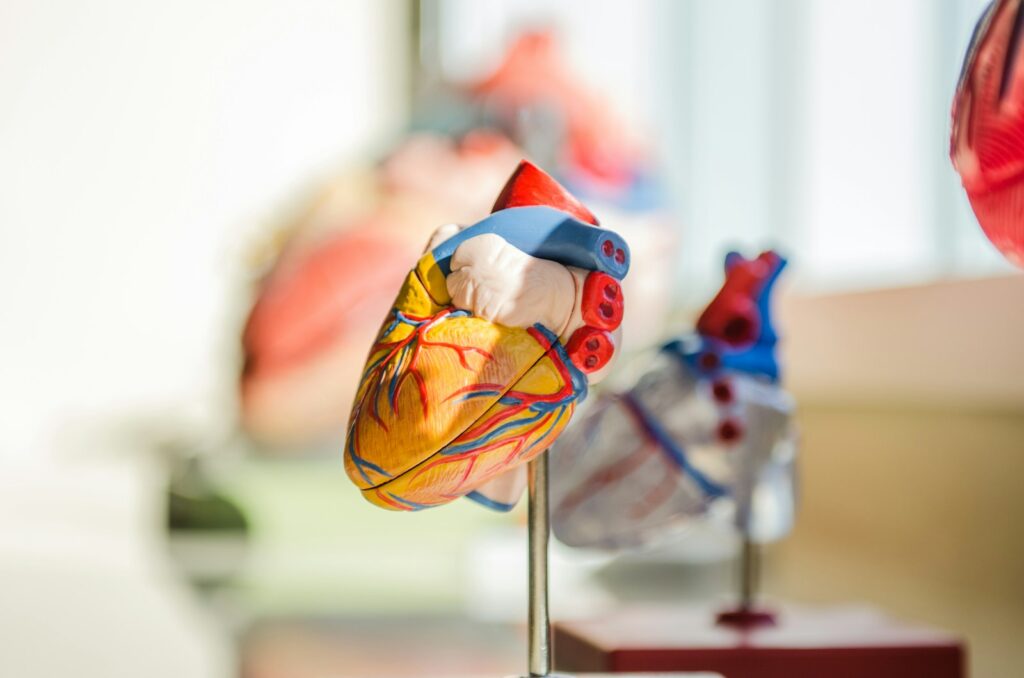
High blood pressure, or hypertension, occurs when blood exerts excessive pressure due to obstructions in blood vessels and arteries. This forces the heart to work harder, potentially leading to heart failure if blood flow is inadequate.
Normal Blood Pressure Ranges
The normal blood pressure range is 120/80 mmHg. Levels of 120-129 mmHg (diastolic pressure less than 80 mmHg) are considered elevated. Stage 1 high blood pressure is 130-139 mmHg systolic and 80-89 mmHg diastolic, while stage 2 is 140/90 mmHg or higher. Readings above 180/120 mmHg indicate an emergency and require immediate medical attention.
At Forecast Medical Practice, we provide care and guidance for managing high blood pressure through our screening guidelines.
Causes of High Blood Pressure
High blood pressure can result from various factors, including:
- Obesity
- High Cholesterol
- Smoking
- Excessive Alcohol Consumption
- Age
- Sedentary Lifestyle
- Thyroid Disorders
Treatment of High Blood Pressure
Management is crucial to prevent complications like kidney failure. Treatment options include:
- Lifestyle Changes: For primary hypertension, adopting a healthier lifestyle can help.
- Consultation with a Physician: Identifying and treating the underlying cause is essential for secondary hypertension.
- Ongoing Management: Treatment plans may need adjustment over time, so continuous collaboration with your physician is key.
Frequently Asked Questions
- Can diabetes cause high blood pressure?
Yes, diabetes can damage blood vessels, leading to increased blood pressure. - Can exercise and weight/diet modifications help reduce blood pressure?
According to the American Heart Association, regular exercise can help control high blood pressure, weight, and stress. Try to get at least 150 minutes of moderate-intensity aerobic activity each week.
- Can diabetes cause high blood pressure?
For guidance and support against high blood pressure, visit Forecast Medical Practice or call us at (804) 431-5626. We’re here to help you stay healthy!
Thyroid
Definition & How It Works
It is essential to know how the thyroid functions. Understanding its workings before going for treatment is necessary. The thyroid is a small organ situated in the front of the neck. It is a vital gland. Glands are present all throughout the body, making and delivering substances that assist the body in performing a particular function. The thyroid gland generates hormones that help control numerous fundamental functions of your body.
When your thyroid doesn’t work as expected, it can affect your whole body. If your body makes an excess of thyroid chemicals, you can build up a condition called hyperthyroidism. On the other hand, if your body produces too few thyroid chemicals, it’s called hypothyroidism. In both situations, you need your doctor to advise and treat you.
At Forecast Medical Practice, we provide excellent services for your thyroid issues.
Causes of Thyroid Disease
The two principal sorts of thyroid illnesses are hypothyroidism and hyperthyroidism. These conditions can be caused by different infections that affect the thyroid gland’s function.
Hypothyroidism Is Caused by the Following:
- Thyroiditis: In this condition, the number of hormones produced decreases, leading to Hypothyroidism.
- Iodine Deficiency: Iodine triggers hormone generation in the glands. However, thyroid issues can occur due to iodine deficiency.
- Non-Functioning of the Thyroid Gland: The thyroid gland often doesn’t work accurately from birth. This affects around 1 of every 4,000 babies. If left untreated, the youngster could have both physical and mental issues later on. All babies are given a screening blood test in the emergency clinic to check their thyroid capacity.
Hyperthyroidism Is Caused by the Following:
- Graves’ Disease: In this condition, the whole thyroid gland may be overactive and produce many chemicals. This issue is likewise called diffuse poisonous goiter (enlarged thyroid gland).
- Nodules: Hyperthyroidism can be caused by overactive nodules inside the thyroid. A solitary knob is known as a harmful self-governing thyroid knob, while an organ with a few knobs is known as a poisonous multinodular goiter.
- Excessive Iodine: Unlike hypothyroidism, excessive iodine generation also produces thyroid disease. When there is a lot of iodine (the mineral utilized to make thyroid chemicals) in your body, the thyroid produces more than it needs.
Symptoms of Thyroid Disease
Thyroid disease has symptoms that are felt during the malfunction of the gland. The following are some symptoms.
- A person affected by hypothyroidism feels neck pain, which is felt in the thyroid area of the neck. Hypothyroidism neck pain is a symptom of thyroid disease.
- A person affected by the disease has an enlarged thyroid
- The issue of vision also takes place
- Irritation and anxiety start in a person
- Weakness takes place in the body
- Intolerance for cold things
- Forgetfulness
- Fatigue feeling
Thyroid Nodule Treatment
Most thyroid nodules are cytologically considered and can be overseen non-surgically. Knobs that are asymptomatic require follow-up without treatment. Corrective issues, as well as pressure-related manifestations, might be signs of a medical procedure.
Thyroid Nodule Treatment without Surgery
Thyroid nodule treatment can also be done through non-surgical methods. Laser removal treatment for generous thyroid knobs is a relatively new non-surgical technique. The technique has already been utilized for the therapy of thyroid sores and the annihilation of lymph nodes with thyroid cancer.
A thyroid illness is regularly a deep-rooted ailment that you should manage continually. This periodically includes a day-by-day prescription. Your medical services supplier will screen your therapies and make changes over time. Notwithstanding, you can generally carry on with a typical existence with a thyroid sickness. It might require some investment to track down your correct treatment alternative and control your chemical levels. Yet, individuals with these conditions can generally carry on with an existence without numerous limitations.
Thyroid Disease | Thyroid Disease Causes | Thyroid Disease Prevention and Treatment at Colonial Heights, VA
At Forecast Medical Practice, we work with patients to determine the best treatment course for thyroid disease. To learn more about our treatment or schedule an appointment, call us at (804) 431-5626.

Viral & Bacterial Infections
What are Viral & Bacterial Infections?
Since its inception, mankind has faced many diseases caused by different known and unknown factors. Viral and bacterial infections are also types of disease-causing microorganisms. Bacteria are small living organisms that are harmful to human beings. They are very tiny and have single cells. They also have various shapes and structures. Not all bacteria cause infections in humans. Those causing the infections are known as pathogenic bacteria.
On the other hand, viruses are also microorganisms, even smaller than bacteria. They also have different sizes and features. Unlike bacteria, viruses thrive on living cells known as parasites. The virus invades the human body and multiplies using human body cells. These viruses are sometimes so fatal that they cause death.
After knowing the definition of bacteria and viruses, it is essential to understand how common bacterial and viral infections are transmitted.
How are Bacterial Infections Transmitted?
A mare in contact with the infected person transmits many bacterial infections. Some of the causes are as follows:
- Close contact with an infected person through touching
- Contact with the fluid of an infected person, especially during coughing or sneezing
- Transfer to a child after birth
- Contact with surfaces that have bacteria
How are Viral infections Transmitted?
Viral infections, such as bacterial infections, are also transmitted. The virus is transmitted:
- After contact with an already infected person
- After contact with the fluid of an infected person
- After contact with infected surfaces
- Transmission to a child from an infected mother
Common Types of Bacterial & Viral Infections
Some common types of infections due to bacteria and viruses are discussed as follows:
Ear Infection
An ear infection happens due to a bacterial or viral infection in the middle ear. This infection often occurs due to another illness, such as the flu or a cough. The ear infection symptoms include ear pain, trouble sleeping, ear ringing, loss of balance, pulling of the ear, and fluid draining from the ear. This infection is self-healing and goes away after a few days. Nevertheless, some people tend to have recurring ear infections, which can lead to complications. The treatment of ear infections may start with pain management. In case the issue persists, antibiotics are used.
If a person has prolonged ear pain, sleep disturbance, recurring ear infection, or persistent fluid drainage, they must consult a doctor. Your physician is always available at Forecast Medical Practice for treatment. If you are feeling uncomfortable, you should call us at Forecast Medical Practice. We are always available for your help.
Eyelid Infection
Eyelid infection is also caused by either a bacterium or a virus. An individual’s eyes become itchy, and pain is felt in them. Moreover, the surface below the eyelid is also swollen. It feels like your eye is filled with some irritating material. Above all, burning in the eyes starts, and in light, the irritation of the eyes starts.
One of the causes of eyelid infection is the dandruff of your hair falling into your eyes. This dandruff causes inflammation and irritation.
The treatments usually used for eye infections are home-based. Saline water, which has antimicrobial properties, eases inflammation and eyelid infections. However, in case the eye is not fully recovered, you may use antibiotics.
Sinus Infection
The inflammation of the air cavities causes a sinus infection. This inflammation makes it challenging for an individual to breathe correctly. The virus mainly causes sinus infections. It happens when fluid builds up in the pockets of the face, and germs grow in it.
One treatment for sinus infections is flushing the nasal passages with saltwater. Steam and nasal sprays are also used to protect against infections. Moreover, it is very important to avoid dairy products and fruits like bananas, as they create congestion.
COVID-19
COVID-19 is also a form of viral disease transmitted after an infected person contacts a healthy person. The infected person cannot breathe easily and has chest congestion. The best way to prevent and treat COVID-19 is to get isolated and vaccinated.
Forecast Medical Practice helps its patients live healthy lives by providing them with better guidelines and treatments. If you have a bacterial or viral infection, you need not worry; just consult with us.
Forecast Medical Practice helps its patients live healthy lives by providing them with better guidelines and treatments. If you have a bacterial or viral infection, you need not worry; just consult with us.

Women’s Health
Women play a pivotal role in our society, especially within the home. As the primary nurturers, they lay the foundation for future generations. Their physical and mental well-being is crucial, as any compromise in this area can have far-reaching consequences. This underscores the importance of preventive health care. Therefore, it is vital to have health and wellness centers that conduct comprehensive annual physical examinations for women.
Forecast Medical Practice is a women’s health and wellness center that is crucial in preventing fatal diseases. Our comprehensive health examinations aim to save lives and ensure women’s well-being. Additionally, we want you to feel your best on the outside as you do on the inside.
Critical Women's Health Issues
Here are some crucial women’s health issues that need to be addressed.
Heart Disease
Heart disease is the leading cause of illness in women. Women’s daily functionality is also disturbed. Their daily routine performance is affected. Hence, women must attend health and wellness centers.
Cancer
Cancer is one of the biggest causes of women’s death. Throat cancer in women and breast cancer are lethal. Half a million women die due to these diseases. Mostly these deaths occur in low- and middle-income countries where there are no women’s health centers and women are not examined physically.
Obesity & Overweight
Women tend to gain more weight than men owing to their inherent ability to gain mass. Moreover, drug consumption also leads to the issue of obesity and being overweight. Women’s physical exams, in this regard, are crucial, and women’s annual physical exams should be carried out to address the issue of being overweight.
Reproductive Health & Hormone Replacement
Reproductive health issues are also the leading cause of women’s death across the globe. Owing to inappropriate health care for women, many affected women die during treatment.
Osteoporosis
Women often face the issue of osteoporosis and get bone fractures. Hence, this leads to an increase in health costs as well as family disturbances. Therefore, prevention in health care is quite essential.
Mental Health
Mental health is also essential for any woman to perform well daily. It has been observed that mental health issues like depression and anxiety are more common in women than in men. Hence, it is imperative that the centers for women’s health address this issue.
Prevention of Women's Health Issues
In the wake of all the above diseases involving women, the importance of preventive health care increases. Preventive health care measures must be taken to avoid diseases and stay healthy. Some of the health care measures to prevent these diseases are as follows:
Women's Physical Exam
Women’s physical exams are vital to avoid any upcoming disease. They include the following checkups to determine women’s wellness:
- Blood pressure checks determine the normal range and track blood pressure changes for interventions as needed
- Blood sugar checks and other labs while fasting and without fasting are also good indicators of any abnormality
- Vital signs are also checked
- Any lump formation that appears to be irregular is also essential to examine
Examining these physical aspects of a woman is crucial to preventing disease and taking preventive measures. We also encourage our patients to partner with us in their care. It is a team approach.
Regular Exercise
Women need to get in touch with a regular exercise routine, as exercise releases essential hormones that lead to happiness and well-being. Moreover, vital indicators of importance are checked for any abnormality. Women’s annual physical assessment is critical because stress and a busy life may lead to diseases.
Regular Visits for Women's Health
Regular visits to their primary care provider are a powerful way for women to take control of their health and prevent diseases. They provide comprehensive checkups and additional preventive measures to ensure well-being.
At Forecast Medical Practice, we care for women’s health and understand women’s critical role in society. That’s why we provide a comprehensive range of treatments and services, including preventive health care, reproductive health services, mental health support, and more, all aimed at ensuring the well-being of our women.
Women’s Health | Risks Associated with Women’s Health | Preventive Health Care for Women at Colonial Heights, VA
At Forecast Medical Practice, we work with patients to determine the best course of action for preventive health care. To learn more about our preventive health care or schedule an appointment, call us at (804) 431-5626.

Sleep Disorders
Sleep disorder refers to the lack of proper and peaceful sleep. When sleep quality is not up to par, an individual underperforms in their daily routine. The disorder can also lead to other serious health issues.
Major Sleep Disorders
Insomnia
Insomnia is a disorder in which one cannot fall or stay asleep. It can happen two or three days a week or more. If it persists, one must consult a medical professional, as sound, restful sleep is required for healthy well-being and to allow the body to perform necessary cellular repair.
Sleep Apnea
Sleep apnea is a dangerous sleep disorder in which the patient’s breathing repeatedly stops and starts during sleep. It causes dizziness, lightheadedness, headaches, and the patient does not feel well-rested after a night. Additionally, if you are told you snore loudly or have an enlarged tongue, you could have sleep apnea. A sleep study is necessary to determine if you have sleep apnea, and it is essential to detect this disease as it can lead to cardiac arrhythmia, high blood pressure, heart damage, heart failure, and sudden cardiac death.
Narcolepsy
Narcolepsy is a chronic neurological disorder that affects the brain’s ability to control sleep-wake cycles. People with narcolepsy may feel rested after waking but then feel very sleepy throughout much of the day. Many individuals with narcolepsy also experience fragmented sleep at night, meaning they can’t stay asleep for long periods.
Restless Legs Syndrome
Restless legs syndrome (RLS) is a condition that causes an awkward sensation in the legs, which causes an urge to move them. It usually occurs when you sit or rest in the evening. If you move your legs, this sensation can decrease. Medications can also help with this condition.
Sleep study centers can help resolve sleep disorders. They will study your heart rate, oxygen levels, whether breathing stops during sleep, and other parameters to gain insight into your sleep disorder. Also, sleep education is provided to address your sleep issues appropriately. At Forecast Medical Practice, we provide vital sleep guidance, education, and referrals to sleep study clinics if needed.
Acid Reflux
Many people experience a rise in stomach acid when lying down, falling asleep, or during sleep due to the relaxation of the sphincter at the esophagogastric junction. Burping up acid may occur, and stomach acid can come out of the nose while sleeping. Coughing, a sore throat, and sinus pain can occur due to acid reflux. Other causes of acid reflux or gastroesophageal reflux disease (GERD) may include peptic ulcers or other underlying gastrointestinal issues. Simple medications and/or diet modifications may be needed, and a referral to a GI specialist for an endoscopy may be recommended.
Medical Treatment
Sleep disorders may be treated in different ways. These include medical treatments and lifestyle changes to improve sleep quality.
The following are some medical solutions to the disorder:
- Taking sleep medications and supplements to improve sleep quality
- Address underlying health issues
- Using breathing devices as prescribed by sleep medicine providers
Lifestyle Changes for Treating the Sleep Disorder
Apart from the medications, the disorder can also be treated through lifestyle changes. These changes include:
- Dietary changes include cutting back on high-fat and spicy foods
- Not eating or snacking close to bedtime
- Regular exercise can help lower blood pressure
- Sleeping with pillows for elevation
- Reducing water consumption before sleep
- Weight loss and having a body mass index (BMI) within normal limits
- Limiting alcohol usage and caffeine
Here goes your text … Select any part of your text to access the formatting toolbar.
At Forecast Medical Practice, we work with patients to determine the best course of action for treating sleep disorders. To learn more about our sleep disorders or schedule an appointment, call us at (804) 431-5626.

Wellness Exams
What Is Considered a Wellness Exam?
Your well-being visit concerns your body, mind, and regenerative well-being. The visit depends on factors such as age and clinical history.
Importance of Wellness Exam – Why Have a Wellness Exam
Having your first health visit around age 13 to 15 is a good idea. It may involve a discussion with your physician and a regular test. Your physician or a medical assistant will check your height, weight, and circulatory strain.
Wellness Exam Includes
Blood Tests
Blood tests are an essential way to measure the health of your body. Doctors can use them to assess the health of some of your organs, diagnose diseases, and monitor how treatments are working. Having blood tests regularly shows your doctor how your body changes over time and helps you make decisions about improving your health. Blood tests are done to check for any unusual findings in the blood parameters. Your provider may draw blood for specific lab tests to complete the physical. These can incorporate a total blood count, a metabolic panel, lipids (cholesterol screening), thyroid check, and an HbA1C test, which assesses the presence or absence of diabetes. Alternative blood tests may be necessary, and your provider will tell you why a test is being ordered.
Adult Physical Exam
The adult physical exam includes checking the vitals of adults, such as blood pressure, temperature, and height, and a head-to-toe physical exam. Depending on our findings, you may need additional tests like a mammogram, X-ray, ultrasound, or other studies as needed. We are fortunate to be near the Appomattox Imaging Center for any imaging studies as needed. Additionally, we are a few blocks from a free-standing emergency room, within just a few miles of Southside Regional Medical Center.
Family Medicine, Geriatrics, & Wellness
Family medicine, geriatrics, and wellness exams yield essential information, provide safeguards, and are part of comprehensive care—including routine gynecology care for all family members.
Sports Physical Exam
The sports physical exam measures blood pressure and heartbeat, tests vision, and checks the heart, lungs, mid-region, ears, nose, and throat. It also assesses stance, joints, strength, and adaptability.
Teen Physical Exam
The American Academy of Pediatrics’ Bright Futures’ and the American Medical Association suggest that youngsters get a routine physical test once per year. However, some previous investigations have recommended that 13- to 17-year-olds visit the specialist, not exactly some other age group.
Female Reproductive Exam
Around age 21, you’ll begin requiring regular pelvic and Pap tests. From ages 25-39, you’ll need a clinical breast assessment every 1-3 years. Furthermore, as you get more established, or if your well-being changes, your health visits will incorporate different tests and references for stuff like mammograms.
Beginning at age 40, you’ll need a mammogram every 1-2 years. You may discuss your period, particularly in case you’re stressed over it being substantial, agonizing, or unpredictable. In case you’re under 18, you may get a few shots, similar to the HPV vaccine.
In the event you’re sexually active, you may discuss contraception prevention, STI prevention, and STI testing. One thing that remains very similar regardless of age, irrespective of how old you are, is building a good relationship with your primary care provider as your health care partner.
Frequently Asked Questions
- Can you get an annual exam while on your period?
Indeed, it’s OK to get a pelvic test when you’re on your period. However, most attendants and specialists would prefer to do your pelvic test on a non-period day when you’re possibly not draining intensely. Feminine liquid (also known as period blood) can influence the aftereffects of some lab tests.Above all, annual physical and well-being exams are necessary throughout life to detect any health-related illness or changes to avoid illness or injury. Forecast Medical Practice provides all the care and parameters for checking your health. Come and get in touch with our physicians.
Wellness Exams | Women’s Physical Exam | Men’s Physical Exam | Virginia Women’s Wellness | Wellness Exam Centre in Colonial Heights, VA
At Forecast Medical Practice, we work with patients to determine the best course of action for wellness exams. To learn more about our wellness exams or schedule an appointment, call us at (804) 431-5626.

Diabetes
Diabetes is when the body’s blood sugar is not regulated correctly. High blood sugar causes various health-related issues. Insulin is a natural hormone that regulates and stores blood sugar for energy. In diabetes, the body does not produce enough or any insulin, which results in excess blood sugar, leading to consequences.
According to an estimate, around 30% of the population of the United States has diabetes symptoms.
Types of Diabetes
Type-1 Diabetes
Type-1 diabetes occurs when the human body fails to produce insulin, which is taken artificially to lower blood sugar, and is commonly known as juvenile diabetes.
Type-2 Diabetes
Unlike Type 1, in this type, the body produces insulin, but the effect of the insulin is not felt. The body does not use insulin effectively.
Gestational Diabetes
This type of diabetes takes place due to pregnancy, as the body becomes less sensitive to insulin. In many cases, this type of diabetes disappears after pregnancy.
Pre-Diabetes
One must know whether he is under the effects of diabetes. The normal blood sugar range is 70 to 99 mg/dl during fasting. However, if a person has blood sugar levels of more than 126 mg/dl during fasting, then he is a diabetic. Likewise, if a person has blood sugar levels from 100 to 125 mg/dl, then he is on the borderline. In this case, he has to take care of his sugar consumption and reduce it.
Causes/Risks of Diabetes
The potential risks and causes of diabetes are as follows:
- A person with an inactive lifestyle
- A person with a family history of diabetes
- A person with high blood pressure
- A person with a family history
- A person aged above 45 years
Symptoms of Diabetes
A person who has contracted diabetes will have the following symptoms:
- Increased Appetite
- Weight Loss
- Blurred Vision
- Rapid Urination
- Feeling Thirsty
- Poor Muscle Strength
Effects & Consequences
People often question which part of the body diabetes affects. Diabetes mainly affects the vital organs of a human being, such as the eyes, kidneys, and heart. Other effects of diabetes are discussed as follows:
Low Blood Pressure
Can diabetes cause low blood pressure? The answer is affirmative. Low blood pressure occurs when blood sugar decreases after not taking proper sugar. A person feels as if he has no more energy left. Hence, diabetes causes low blood pressure.
Damage to Blood Vessels
Diabetes damages blood vessels. But the question arises as to how. Owing to diabetes, high blood sugar is formed in the body, which damages vital organs like the eyes and kidneys. Hence, it is imperative to know that diabetes causes damage to blood vessels.
Constipation
Although diabetes does not directly affect the digestive system, it has an indirect effect. High blood sugar damages the nervous system, which, as a consequence, leads to constipation or diarrhea. Hence, diabetes may cause constipation.
Heart Palpitations
Diabetes causes low blood pressure, which in turn causes heart palpitations. Low blood pressure can also cause nausea and an inability to concentrate.
Blood in Stools
Diabetes can cause blood in the stools. The disease damages tiny blood cells, leading to bloody stool.
Alcohol & Diabetes
Alcohol affects diabetes. It is often asked if alcohol lowers blood sugar. Moderate intake of alcohol raises blood sugar, while the excess use of alcohol may lead to low blood sugar.
Remedies for Diabetes
Knowing all the causes and effects of diabetes, one must also learn how to treat it. Making and keeping regular primary care visits will help your provider detect and manage your health to prevent and detect diabetes. If you have diabetes, Dr. Mayo and her associates can help you lower your HbA1C and lipid levels with your commitment to diet, lifestyle modifications, and appropriate medications.

Asthma
Asthma is a prevalent chronic inflammatory respiratory condition characterized by airway inflammation, which causes intermittent airflow obstruction and bronchial hyperresponsiveness. Asthma symptoms include coughing, wheezing, and shortness of breath, frequently exacerbated by triggers ranging from allergens to viral infections. A complex interplay between genetic and environmental factors determines the prevalence and severity of asthma. Despite treatment advancements, disparities persist in asthma care, with variations in access to diagnosis, treatment, and patient education across different demographics.
Often presenting in childhood, it is associated with other atopic features, such as eczema and hay fever. Severity varies from intermittent symptoms to life-threatening airway closure. Health care professionals establish a definitive diagnosis through patient history, physical examination, pulmonary function testing, and appropriate laboratory testing. Treatment focuses on providing continued education, routine symptom assessment, access to fast-acting bronchodilators, and appropriate controller medications tailored to disease severity.
Risk factors
Risk factors for asthma development encompass exposures throughout a patient’s lifespan, including the perinatal period.
- Atopy is characterized by the genetic tendency to produce specific immunoglobulin E (IgE) antibodies in response to common environmental allergens. Nearly one-third of children with atopy will develop asthma later in life.
- Prematurity is the most crucial risk factor influencing asthma incidence during this period. Preterm birth, occurring before 36 weeks, is associated with an elevated risk of asthma throughout childhood, adolescence, and adulthood. Researchers posit that impaired lung development in preterm infants, even in those without early respiratory complications, increases the long-term risk of asthma.
- Exposure to maternal smoking during pregnancy causes diminished pulmonary function in newborns and an increased probability of developing childhood asthma. Moreover, smoking during pregnancy correlates with several adverse pregnancy outcomes, including premature delivery, further elevating the asthma risk.
Childhood Onset of Asthma
Wheezing caused by viral infections, particularly respiratory syncytial virus and human rhinovirus, may predispose infants and young children to develop asthma later in life. In addition, early-life exposure to air pollution, including combustion by-products from gas-fired appliances and indoor fires, obesity, and early puberty, also increases the risk of asthma.
Adulthood Onset of Asthma
The most significant risk factors for adult-onset asthma include tobacco smoke, occupational exposure, and adults with rhinitis or atopy. Studies also suggest a modest increase in asthma incidence among postmenopausal women taking hormone replacement therapy.
Occupational-Induced Asthma
Two types of occupational asthma exist based on their appearance after a latency period:
- Occupational asthma triggered by workplace sensitizers results from an allergic or immunological process associated with a latency period induced by both low- and high-molecular-weight agents. High-molecular-weight substances, such as flour, contain proteins and polysaccharides of plant or animal origin. Low-molecular-weight substances, like formaldehyde, form a sensitizing neoantigen when combined with a human protein.
- Occupational asthma caused by irritants involves a nonallergic or nonimmunological process induced by gases, fumes, smoke, and aerosols.
Monitoring & Treatment
Pulse Oximetry
Pulse oximetry can help assess the severity of an asthma attack or monitor for deterioration. Notably, pulse oximetry measurements may exhibit a lag, and the physiological reserve of many patients implies that a declining oxygen level on pulse oximetry is a late stage, indicating an increasingly unwell or peri-arrest patient.
Laboratory Tests
No specific laboratory tests are necessary for diagnosing asthma. However, patients who present with a severe asthma exacerbation should undergo a complete blood count to evaluate eosinophil levels and check for anemia, which may be the underlying cause of the patient’s dyspnea. A significantly elevated eosinophil count should prompt further investigation for conditions, including parasitic infections such as Strongyloides, drug reactions, and syndromes characterized by pulmonary infiltrates with eosinophilia. These syndromes include allergic bronchopulmonary aspergillosis, eosinophilic granulomatosis with polyangiitis, and hypereosinophilic syndrome.
Non-smoking patients who present with irreversible airflow obstruction should undergo serum α1-antitrypsin level testing to rule out emphysema caused by homozygous α1-antitrypsin deficiency.
Allergy testing may benefit patients experiencing symptoms upon exposure to specific allergens. Clinicians should obtain total serum IgE levels in patients with moderate-to-severe persistent asthma, particularly when considering treatment with anti-IgE monoclonal antibodies or when there is suspicion of allergic bronchopulmonary aspergillosis.
Imaging
Chest radiographs in asthma patients are often normal; however, abnormal findings such as hyperinflation, pneumomediastinum, and bronchial thickening may be observed during acute exacerbations. A chest radiograph is recommended for patients aged 40 or older with new-onset, moderate-to-severe asthma to rule out conditions that can mimic asthma, such as a mediastinal mass with tracheal compression or heart failure.
Additional indications for chest radiography include patients experiencing difficult-to-control symptoms, fever, chronic purulent sputum production, persistently localized wheezing, hemoptysis, weight loss, clubbing, inspiratory crackles, significant hypoxemia, and moderate or severe airflow obstruction that does not reverse with bronchodilators. High-resolution computed tomography is necessary to clarify any abnormalities noted on chest radiographs or for patients with other suspected conditions that may not be well visualized on routine radiographs.
Evaluation During an Acute Exacerbation
Each patient should undergo a rapid assessment of their vital signs, including oxygen saturation. Measuring the peak flow can indicate the severity of the exacerbation and monitor the response to therapy. Predicted peak flow measurements vary based on age and height; however, a peak flow below 200 L/min indicates severe obstruction except in patients aged 65 or older or with very short stature. A peak flow measurement below 50% predicted or the patient’s personal best is considered severe, while between 50% and 70% is considered moderate. Chest radiographs are not uniformly necessary unless the diagnosis of acute asthma exacerbation is uncertain, the patient requires hospitalization, or evidence of a comorbid condition is present.
Identification of Patients at Risk of Fatal or Near-Fatal Asthma
Most asthma-related deaths are preventable if risk factors are identified and addressed early. Major risk factors that place patients at high risk for future fatal asthma exacerbations include:
- A recent history of poorly controlled asthma
- A prior history of near-fatal asthma
- A history of endotracheal intubation for asthma
- A history of intensive care unit admission for asthma
Minor risk factors include exposure to aeroallergens and tobacco smoke, illicit drug use, older patients, aspirin sensitivity, long duration of asthma, and frequent hospitalizations for asthma-related issues.
Personalized education from the patient’s primary clinician is especially impactful. Studies reveal that such education reduces the number of asthma exacerbations and hospitalizations. Health care professionals should provide culturally specific asthma education that includes understanding asthma and its symptoms, identifying the patient’s triggers, and strategies for their avoidance. Each patient should understand how to properly use an inhaler and be familiar with medications that serve as rescue options, those used for symptom control, and those that may fulfill both roles. Clinicians should inquire about any obstacles hindering medication adherence and work collaboratively with patients to overcome concerns or barriers, thus enhancing overall adherence.
Every patient should have access to a bronchodilator with a rapid onset of action. Traditionally, this has been a short-acting β-agonist (SABA) such as albuterol. However, Global Initiative for Asthma (GINA) recommends a low-dose glucocorticoid/formoterol inhaler, such as 80 to 160 mcg budesonide/4.5 mcg formoterol inhaled by mouth one or two times daily, for asthma symptoms. Notably, this is an off-label indication for this preparation.
Treatment progresses stepwise, with the highest severity category in which the patient experiences any symptoms, designating the treatment category from which the patient receives treatment.
Routine follow-up every one to six months is necessary to ensure adequate symptom management. Upon reevaluation, patients facing inadequate asthma symptom management, exacerbations necessitating systemic glucocorticoids, or those at high risk of exacerbation on their current therapy level should escalate to the next level of therapy. Therapy adjustments proceed incrementally until symptoms are adequately managed. After maintaining control for three to six months, clinicians may consider gradual therapy reduction following specific guidelines.
Severe Asthma
Adults and adolescents with severe asthma that remains uncontrolled should receive a LAMA, such as tiotropium, alongside their inhaled glucocorticoid and LABA regimen. Clinicians should direct these patients for phenotypic assessment and consideration for biological therapy options. Anti-IgE monoclonal antibody therapy with omalizumab may be helpful for those still experiencing inadequate control and possessing documented sensitivity to a perennial allergy with IgE levels ranging between 30 and 700 IU/mL.
Patients with severe eosinophilic asthma who are not adequately controlled can utilize mepolizumab and reslizumab, monoclonal antibodies against IL-5, benralizumab, a monoclonal antibody against the IL-5 receptor α-subunit, and dupilumab, or Tezepelumab.
Acute Exacerbation
Patients experiencing an acute asthma exacerbation may manage symptoms at home or need urgent medical care, depending on their symptom severity and risk factors for fatal asthma. These risk factors include prior life-threatening exacerbations, exacerbations despite glucocorticoid use, more than one asthma-related hospitalization or three emergency room visits in the past year, and comorbidities such as cardiovascular or chronic lung disease. Immediate medical attention is warranted for patients showing significant breathlessness, inability to speak beyond short phrases, reliance on accessory muscles, or peak flow measurements at 50% or less of their baseline measurement.
All patients require a fast-acting β-agonist. Potential options include the LABA formoterol combined with inhaled corticosteroids (ICS), the SABA albuterol combined with budesonide, or albuterol alone. Combination with ICS is the preferred choice. Albuterol dosing is two to four puffs from a metered dose inhaler (MDI) at home and four to eight puffs in the office with a valve holding chamber or spacer every 20 minutes for one hour as needed. Albuterol may also be nebulized. ICS-formoterol dosing is one to two puffs every 20 minutes for one hour as required, with a maximum of eight puffs daily.
Patients whose symptoms improve after administering a bronchodilator and whose peak flow returns to 80% of their baseline or better can continue to manage their symptoms at home. Oral glucocorticoids equivalent to 40 to 60 mg prednisone daily for five to seven days are warranted for the following patients:
- Those experiencing recurrent symptoms over the following one to two days
- Those whose peak flow remains less than 80% of their normal baseline (high-dose ICSs are an alternative)
- If they do not improve after one to three doses of a fast-acting bronchodilator
- If they have recently completed a course in OCS
- Those who are on a maximal dose of controller medications
Chronic Obstructive Pulmonary Disease (COPD)
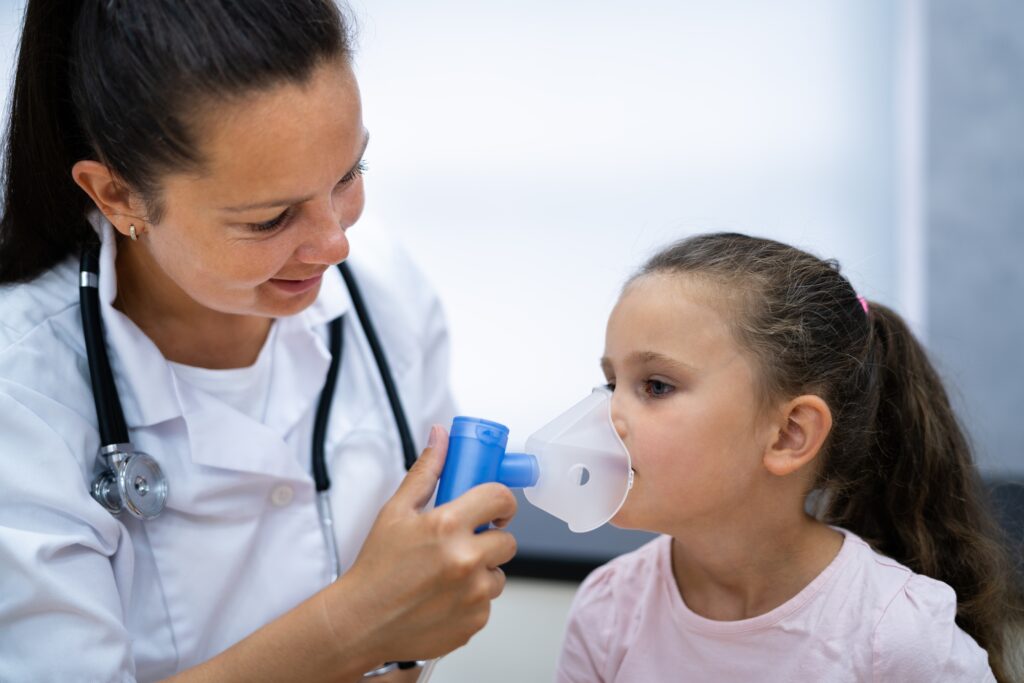
Chronic obstructive pulmonary disease (COPD), which includes chronic bronchitis and emphysema, is a long-term lung disease that makes it hard to breathe. The good news is that COPD is often preventable and treatable.
If you have COPD, you might have a cough that will not go away, shortness of breath, and fatigue. You could also have more frequent lung infections and wheezing (it sounds like a whistle) when you breathe. Cold and hot weather might make your symptoms worse.
- COPD is chronic. In other words, you live with it every day.
- It is progressive, meaning it gets worse over time
- COPD is diagnosed by reviewing your medical history, physical examination, and spirometry test results
- Chronic bronchitis and emphysema are also called COPD
Emphysema
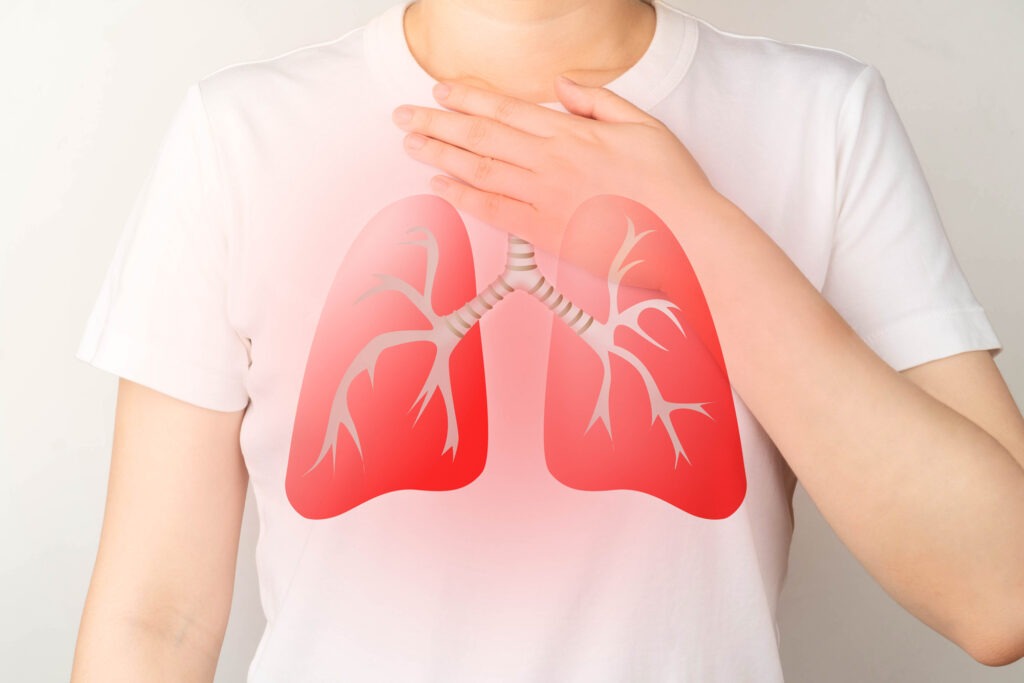
If you have emphysema, the air sacs in your lungs are damaged. Air gets trapped in your lungs, making breathing hard. Your blood gets less oxygen.
Chronic Bronchitis
If you have chronic bronchitis, your lungs’ airways are swollen. This causes sticky mucus in your airways, making breathing hard.
How to Diagnose
Your doctor should have you do a test called spirometry to make sure you have COPD. It is a simple breathing test that measures the speed and amount of air you can blow out of your lungs.
Four Stages of COPD
Your doctor will likely tell you what stage of COPD you have. Knowing your stage will help your doctor know the best way to treat your disease. Each person’s COPD symptoms and treatment are different. You should work with your doctor to find a treatment plan that works for you. This will help you control your symptoms and know what to do if they get worse. Your doctor will decide what medication is proper for you based on your COPD stage, your history, your symptoms, and your risk of having a flare-up, also called an exacerbation.
Medications for Treatment
There are three main types of COPD medications:
- Bronchodilators help keep the airways open. Some are short-acting and help, but others are long-acting and last for 12 hours or more.
- Anti-inflammatories help to decrease the swelling and mucus production
- Antibiotics are sometimes given to take with flare-ups
- Oxygen is another type of medication
You may be prescribed this if you are not getting enough oxygen. You need to take your medicine correctly and at the right time so that it can help you. Ensure your doctor, nurse, or pharmacist has taught you how to do this.
Pursed lip breathing can help if you feel short of breath. Practice pursed lip breathing:
- Sit in a chair and relax your neck and shoulder muscles.
- Breathe in slowly through your nose with your mouth closed, for a count of one, two.
- Purse your lips like you are going to blow out a candle and breathe out slowly; try to breathe out longer than you breathed in, so one, two, three, four.
Pulmonary Rehabilitation
Pulmonary rehabilitation is a program that includes education and exercise. It helps people with lung disease build strength and live more active lives. Talk to your doctor to determine if pulmonary rehab is right for you.
If you had pulmonary rehab in the past, you may benefit from it again.
Staying active helps you feel better. It gets oxygen to your body and strengthens the muscles that help you breathe. The right amount of activity can help you have more energy and feel happier. Talk to your doctor about what activity is right for you.
COPD Action Plan
Have a written COPD management plan that you fill out with your doctor. The Action Plan will help you know:
- How and when to take medications
- How to know if your symptoms are serious
- When to call your doctor
- When you need to get help right away
Frequently Asked Questions
1. Why do I have COPD?
There are many risk factors for getting COPD. They include:
- Smoke
- Job Exposure (Exposing You to Dust or Fumes)
- Air Pollution
- Genetic Condition (Called Alpha-1 Deficiency)
- Childhood Respiratory Infections
Smoking Cessation: Quit Smoking Today!
Quitting smoking is one of the most important steps you can take to improve your health, regardless of your age or how long you have smoked. Many smokers become addicted to nicotine, a substance naturally found in tobacco, making it difficult to quit. The good news is that proven treatments are available to help you stop smoking.
Combining counseling with medication offers the best chance to quit for good.
Counseling can help you develop a plan to quit smoking and prepare you to cope with stress, cravings, and other challenges during your cessation journey.
Here are some ways to seek counseling:
- Talk to a quit-smoking counselor, either individually or in a group
- Access free confidential coaching through a quit line at 1-800-QUIT-NOW. They can help determine which treatment is proper for you and connect you to local quit-smoking programs.
- Use free online resources, such as ⦁ CDC.gov/quit and ⦁ Smokefree.gov
- Sign up for a free texting program through the CDC
Download a free mobile app like quitSTART
Medications can help you manage withdrawal symptoms and cravings, enabling you to remain confident and motivated to quit. Nicotine replacement therapy (NRT) is one effective option that includes various forms:
- Over-the-counter options include patch, gum, and lozenge
- Prescription options include an inhaler and a nasal spray
Using a long-acting form of NRT (such as a nicotine patch) together with a short-acting form (like nicotine gum or a lozenge) can further enhance your chances of success compared to using a single form.
You may also discuss with your health care provider the possibility of using prescription medications to help you quit smoking, such as varenicline or bupropion. Combining various methods—such as counseling, NRT, and medications—gives you the best chance of quitting for good.
Many treatments and resources may be available to you for free or may be covered by your insurance.
Remember, persistence is key to success even if you’ve tried to quit. More than half of U.S. adults who have smoked have successfully quit.
For more information about quitting smoking, visit CDC.gov/quit.
When you are ready, Forecast Medical Practice is fully prepared to assist you with quitting smoking today!
Botox
Botox Cosmetic is the most popular, well-known injectable neuromodulator. When injected, it temporarily relaxes facial muscles, softening the look of dynamic facial wrinkles created by repeated muscle movement.

Soft Tissue Fillers
Dermal fillers are gel-like substances made from natural materials generally found in the human body, injected beneath the skin to restore lost volume, smooth lines, soften creases, or enhance facial contours.
Skin Care
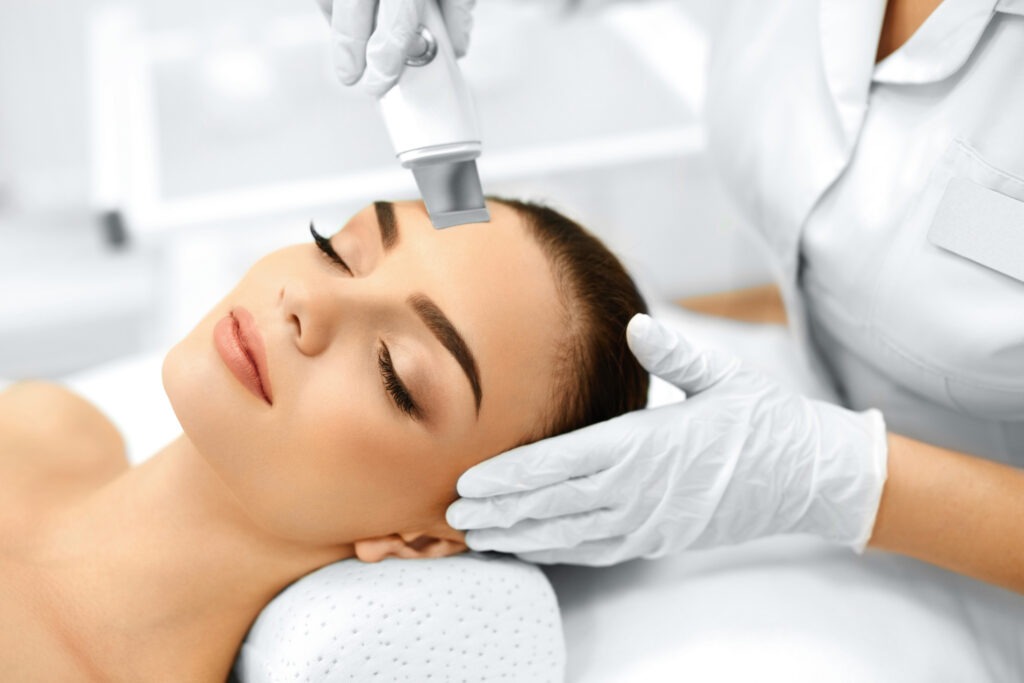
Skin care at Forecast Medical Practice focuses on treating common skin concerns like acne, hyperpigmentation, and signs of aging through personalized, medical-grade solutions. We offer treatments such as Botox, dermal fillers, and rejuvenating facials to improve skin health, boost confidence, and enhance natural beauty—all under the guidance of experienced medical professionals.
Coming Soon!